Guarding the Gold: A Owner's Manual for Keeping Open Clase Azul at Its Peak
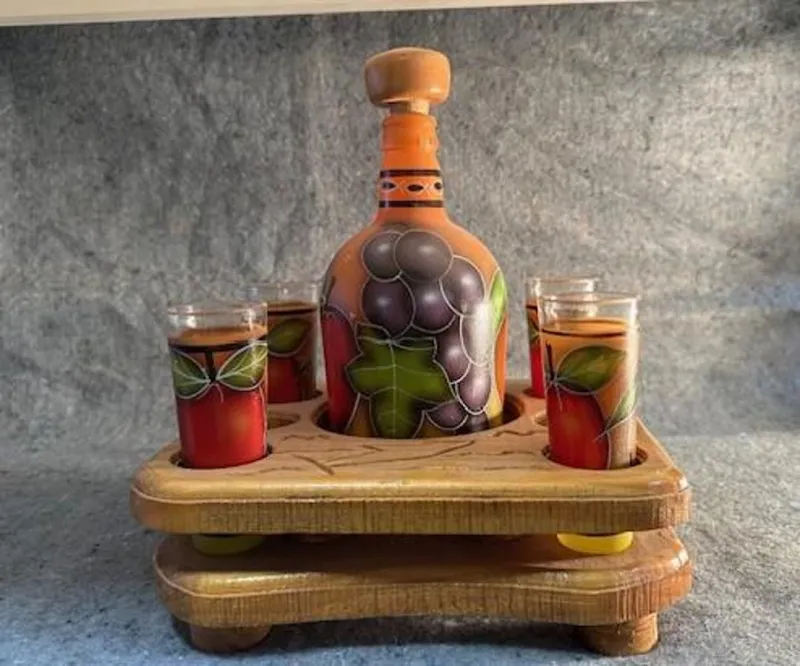
Photo: hand-painted ceramic tequila decanter on dark wooden bar cabinet moody lighting, via i.etsystatic.com
There is a quiet tension every Clase Azul owner eventually confronts: the decanter on your bar cart is simultaneously a work of art and a perishable pleasure. The painted ceramic vessel may last generations, but the tequila inside it is a living liquid that responds to every ray of sunlight and every shift in temperature. Treat it well, and your last pour in six months will taste remarkably like your first. Treat it carelessly, and even Ultra's lofty price tag cannot buy back what evaporates in a sun-drenched Manhattan apartment.
Why Premium Tequila Degrades at All
Unlike wine, tequila does not improve in the bottle. It is fully matured before it is ever decanted, which means your only job is preservation. Three enemies work against you: ultraviolet light, heat fluctuation, and oxygen. The first two are largely solved problems with a little foresight. The third is the slow, unavoidable one — and it is where the Reposado and Ultra owners part ways.
Light: The Silent Thief
Direct sunlight is the fastest way to flatten a premium spirit. UV radiation breaks down aromatic compounds, dulling the cooked agave sweetness and citrus lift that define Clase Azul's signature profile. The ceramic decanters offer more protection than glass bottles ever could — a genuine engineering advantage — but the spirit is still vulnerable once poured or during display near windows.
The rule is simple: keep the decanter out of direct light entirely. A shaded bar cabinet, an interior shelf, or a sideboard away from the picture window will do. If your display area gets afternoon sun, rotate the bottle into storage after guests leave. Collectors in sun-belt cities like Phoenix and Miami should be especially vigilant; ambient light damage compounds faster than most people expect.
Temperature: Consistency Beats Perfection
You do not need a wine cellar. You need stability. Aim for a steady range between 60 and 70 degrees Fahrenheit, away from radiators, dishwashers, and the cabinet above the refrigerator — a spot American homeowners love and spirits quietly hate. Fluctuation causes expansion and contraction that accelerates evaporation through the closure, a phenomenon collectors call the "angel's share at home."
Never refrigerate or freeze the decanter. High-proof tequila will not freeze solid, but chilling mutes the volatile aromatics that make the first nose so memorable. Serve Reposado slightly below room temperature; Ultra benefits from a single large cube or a brief rest in the glass.
Oxidation Timelines: Reposado vs. Ultra
Here is where honest guidance matters. A opened bottle of Clase Azul Reposado holds its peak character for roughly eight to twelve months if stored properly, with graceful decline for another six after that. Its balance of oak and agave is resilient enough for the occasional weeknight pour.
Ultra is a different animal. Its layered process — including finishing with sherry and port wines — gives it remarkable depth, but its most delicate top notes begin to soften within four to six months of opening. Owners who treat Ultra as a milestone bottle should plan the occasion accordingly: open it when there is a reason to finish a meaningful portion within a season, not merely when the cabinet looks empty.
A practical habit used by serious collectors: note the opening date on the base of the decanter with a discreet pencil mark. The ceramic surface takes graphite beautifully, and future you will appreciate the record.
Pourware: What You Actually Drink It From
The decanter deserves better than a red Solo cup, but you need not overthink the glass. A tulip-shaped copita — the traditional Mexican tasting vessel — concentrates aromatics elegantly. A quality Glencairn works nearly as well and is easier to find at US retailers like Total Wine or Crate & Barrel. Avoid wide-bowled whiskey glasses for neat pours; they disperse the nose and encourage over-warming with your hand.
Pour modestly. Two ounces is a generous serving for a spirit of this intensity, and smaller pours stretch the decanter's lifespan considerably.
Re-Decanting: Almost Never
A recurring question from new owners: should the tequila be moved back into a smaller glass vessel once the decanter is half empty, to reduce air space? In theory, yes — less headspace means less oxidation. In practice, the answer is almost always no. Transferring risks spillage, contamination, and the loss of the very ceremony that makes ownership meaningful. If a bottle will sit for many months, a food-grade inert gas sprayer (available at any wine shop for under fifteen dollars) blankets the remaining spirit and solves the problem without disturbing the presentation.
The Last Sip Standard
Owning Clase Azul is a wager that patience and care are worth it. Store it cool, dark, and upright. Drink it deliberately. Mark the date. Do these modest things, and the final pour from that hand-painted decanter will carry the same cooked-agave warmth as the first — the quiet reward of an owner who understood that luxury is as much stewardship as acquisition.