Before You Buy That 'Rare' Decanter: A Field Guide to Counterfeit Clase Azul in the US Market
Photo: counterfeit luxury tequila bottle fake hand painted decanter inspection close up, via cdn.shopify.com
The listing appeared on a popular resale marketplace on a Tuesday: a Clase Azul Ultra decanter, described as "discontinued, collector-owned, box included," priced at $2,400 — a steep discount from the four-figure retail reality. The photos were clean. The story was plausible. The paint, however, was wrong, and a careful buyer caught it before the wire transfer went out.
Scenes like this are playing out with growing frequency across American resale platforms, auction sites, and social media marketplaces. As Clase Azul's collector base has expanded, so has the gray market of counterfeit decanters — some crude, some convincing enough to fool experienced buyers. This guide outlines what every prospective purchaser should know.
Why Clase Azul Attracts Fakers
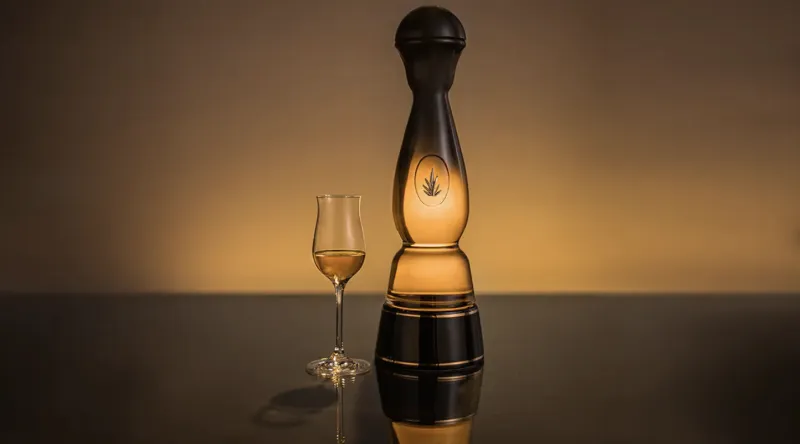
Counterfeiters follow value and recognizability, and Clase Azul offers both. The iconic tall decanter with its hand-painted ceramic body is instantly identifiable, even to people who do not drink tequila. Discontinued releases and limited editions trade at meaningful premiums, creating margin for fraud. And because many collectors keep bottles sealed for display, some buyers never open the decanter — meaning a fake can go undetected for years.
The counterfeits fall into two broad camps: refills, in which an authentic decanter is drained and refilled with inexpensive tequila before resale, and outright fabrications, where the entire bottle is reproduced.
The Telltale Signs Fakers Miss
No single feature is foolproof, but experienced buyers and authenticators look for a cluster of consistent details.
The paintwork. Genuine decanters are hand-painted, and that shows in subtle irregularity — slight variations in stroke width, minor asymmetry in the pattern where it wraps the shoulder. Machine-perfect repetition or patterns that look printed rather than brushed are a red flag. Conversely, sloppy drips and misaligned motifs are not evidence of authenticity; they are evidence of a bad fake.
The seal and closure. Examine the cap, the metal ornament, and any wax or seal integrity. Refilled bottles often show evidence of tampering: hairline cracks in the ceramic around the neck, adhesive residue, or a seal that sits unevenly.
Labels and batch coding. Authentic bottles carry consistent label stock, printing quality, and batch information. Blurred text, off-register color, or missing batch details warrant scrutiny. Cross-reference the batch code against known production runs where possible.
The liquid itself. Color matters. Clase Azul Reposado has a recognizable pale gold hue; a decanter filled with something noticeably darker or lighter than reference photos should raise questions.
The provenance. Ask where and when the bottle was purchased, and request the original receipt if the seller claims retail provenance. Legitimate collectors of high-value bottles almost always have documentation.
How Authentication Actually Works
Formal authentication for collectible spirits remains a patchwork in the United States. Some buyers turn to third-party authentication services that specialize in luxury goods; others rely on collector communities, where side-by-side photo comparisons with verified bottles are common practice. Auction houses that handle rare spirits typically have in-house specialists, which is one reason their buyer's premiums buy more than convenience.
Clase Azul's own channels remain the most reliable path: purchase through authorized retailers listed on the brand's official site, and treat any "authorized distributor" claim on a third-party marketplace with skepticism. The brand has publicly discouraged gray-market sales, and bottles sourced outside official channels generally carry no recourse if problems emerge.
The Real Cost of a Bargain
The risks extend beyond a bad investment. A counterfeit decanter is a financial loss, certainly — resale platforms rarely refund buyers who ignored red flags. There is also the matter of what is actually inside an unknown bottle. Illegally refilled decanters contain unverified liquid of unknown origin, and consuming it is a genuine health gamble, not merely a connoisseur's disappointment.
Finally, there is the reputational dimension. Collectors' circles are small, and a buyer known for circulating fakes finds doors closing quickly — on private tastings, on trades, on the secondary market itself.
A Short Checklist Before You Pay
- Verify the seller against the brand's list of authorized retailers.
- Request high-resolution photos of the paintwork, seal, base, and label — all four.
- Compare batch codes and label details against verified references.
- Ask for provenance documentation on any bottle priced above retail.
- Use payment methods with buyer protection, and avoid wire transfers entirely.
- When in doubt, walk away. Another decanter will surface; your money may not.
The hand-painted decanter represents hours of artisan work and a tradition worth collecting. Protecting that tradition — and your own collection — starts with the discipline to verify before you buy.