The Aftermarket Ledger: Tracking What Clase Azul Decanters Fetch Five Years Down the Line
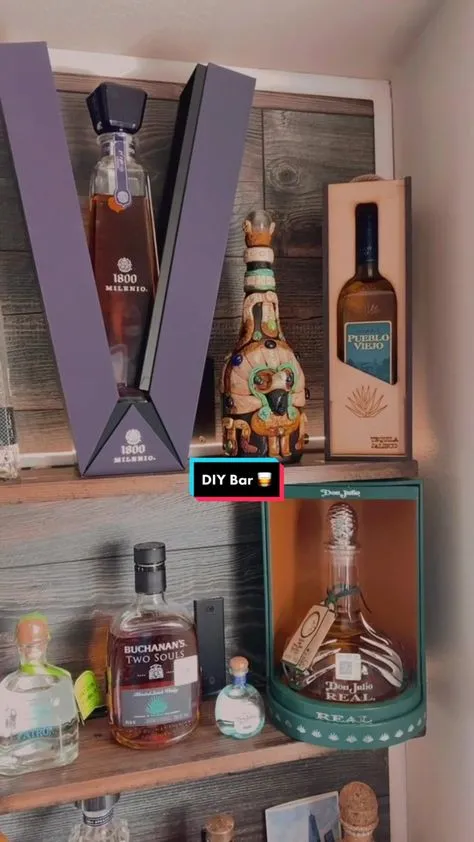
Photo: luxury tequila bottle collection display shelf home bar, via i.pinimg.com
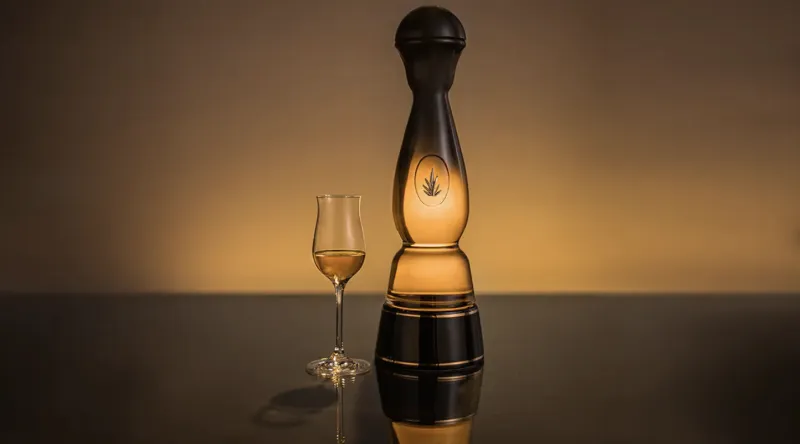
For most of its history, Clase Azul was purchased to be poured. That calculus has shifted. Across US auction sites, collector forums, and dedicated resale platforms, the hand-painted decanters from Jalisco now trade like mid-tier art assets — some appreciating dramatically, others stagnating in cellars while their contents slowly lose the argument for staying sealed.
The Numbers Behind the Hobby
Pulling completed listings from major US resale venues over the past several years reveals a familiar pattern in collectibles: scarcity plus story equals price movement. The Día de Muertos editions, released annually with distinct ceramic artwork honoring the Mexican holiday, have shown some of the steadiest gains. Early releases that retailed in the mid-three figures routinely change hands for four, sometimes five, on secondary markets — particularly when the original box, booklet, and protective packaging survive.
The 20th Anniversary release tells a similar story. With production capped and distribution concentrated in select US markets, the bottle became an instant benchmark. Collectors who bought at retail and held have watched values roughly double in strong auction seasons, though the market is not linear. Listing volumes spike in November and December, when gifting season floods the supply side and prices soften accordingly.
What Actually Appreciates
The resale ledger favors three traits, roughly in this order:
-
Documented scarcity. Numbered editions with verifiable production limits outperform general releases every time. A sealed Plata with no story is just expensive tequila; a numbered Reposado with a known allocation has a narrative buyers will pay for.
-
Condition and completeness. US collectors are unforgiving about provenance. A decanter without its original box can lose a third of its value. The foil seal, unbroken, is the single biggest multiplier.
-
Artistic distinctiveness. Bottles tied to cultural moments — the Día de Muertos series foremost — hold value because the artwork itself is the collectible. The tequila inside is almost incidental to the transaction.
The Case Against the Cellar
Here is the uncomfortable truth the resale data also reveals: most standard Clase Azul releases barely outpace inflation. Gold and Plata bottles bought at retail today and resold in five years, after platform fees and shipping, often net a loss. The appreciation story belongs to limited editions, not the core lineup.
Which leads to a recommendation that surprises new collectors: open the standard bottles. The Reposado and Mezcal releases are made to be enjoyed, and their resale trajectory is flat regardless of what you do. A ultra-premium pour shared at a milestone dinner delivers a return no auction listing can match.
The Empty Bottle Economy
Perhaps the strangest line item in this market: decanters that have already been drained routinely sell for $100 to $300 on US resale platforms. Interior designers and craft collectors buy them as objets d'art, lamp bases, and display pieces. The hand-painted ceramic, produced by artisans in the town of Mazamitla, carries decorative value entirely independent of its contents.
This creates an odd arbitrage. A collector who buys a limited edition, decants it for a special occasion, and preserves the vessel intact retains a meaningful portion of the object's value — while gaining the experience the bottle was made for.
A Practical Framework
For US buyers weighing their next purchase, the guidance is straightforward. Buy limited editions with complete packaging if appreciation is the goal, and store them away from direct light, which fades the hand-applied glazes. Buy the core portfolio to drink, without apology. And whatever you open, keep the decanter — in this market, the vessel has become a currency of its own, and five years from now, the painted pot may be worth more than the ledger suggests.