The Home Flight, Elevated: Hosting a Clase Azul Tasting Evening Worth Remembering
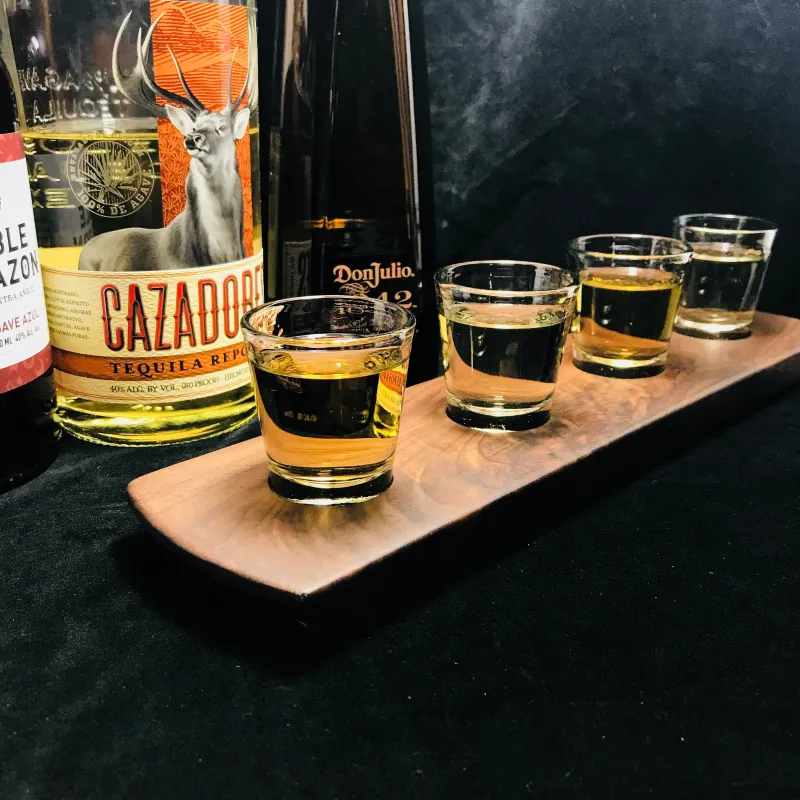
Photo: elegant home tequila tasting flight glasses dark moody table setting, via i.pinimg.com
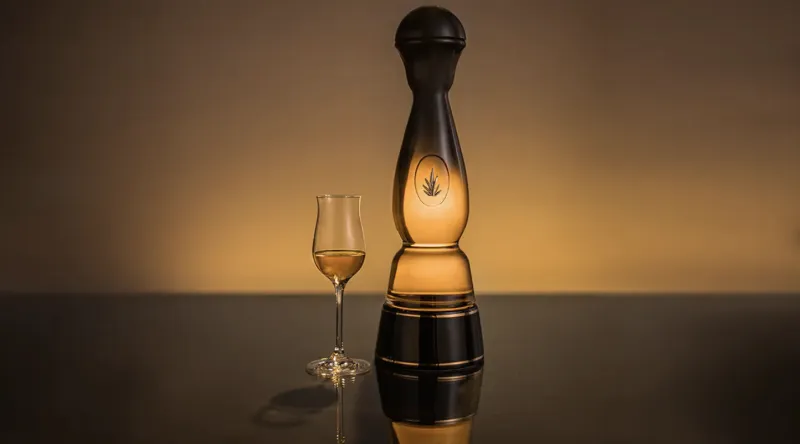
There is a particular satisfaction in uncorking a Clase Azul decanter for company. The hand-painted vessel draws the eye before the spirit ever reaches the glass, and that first impression buys you something most hosts rarely receive: a room full of people genuinely paying attention. A structured tasting evening channels that attention into an experience rather than a single dramatic pour.
Decide the Shape of the Flight First
Before you send a single invitation, settle on scope. A vertical tasting compares age statements within one line — say, Plata, Reposado, and Añejo side by side — and lets guests trace exactly what time in oak accomplishes. A portfolio tasting widens the aperture, folding in the Gold, Mezcal, or Ultra expressions where the budget allows.
For a first-time host, we recommend the vertical approach. Three to four pours per guest is generous without becoming reckless, and the throughline of a single line's evolution is easier to narrate than a sprawling survey. Seasoned collectors may prefer a themed flight — oak influence, agave provenance, or a mezcal-versus-tequila comparison — which rewards a crowd already fluent in the fundamentals.
Glassware, Temperature, and the Pour Order
The glass matters more than most hosts assume. A tulip-shaped Glencairn or a small white wine glass concentrates aromatics; a wide tumbler scatters them. Set one glass per pour per guest, numbered discreetly on the base with a wax pencil, or rinse thoroughly between samples if your cabinet cannot accommodate the full count.
Serve each expression at room temperature, roughly 68 to 72 degrees. Chilling tequila mutes the very vanilla, citrus, and cooked-agave notes you are gathering to showcase. Pour approximately half an ounce per flight — enough for two or three considered sips.
Order matters. Work from lightest to most heavily aged so the oak never overwhelms what precedes it:
- Plata — unaged, bright, an anchor point for everything after
- Reposado — the bridge, where oak first enters
- Añejo — deeper, sweeter, spicier
- Gold or Mezcal — a deliberate stylistic detour to close
If you are fortunate enough to open an Ultra, it belongs alone, after a pause, treated as the evening's final act rather than a fourth pour.
Pairings That Support, Not Compete
The cardinal rule of pairing alongside a tasting: nothing on the table should outshout the spirit. Offer neutral palate-resetters — unsalted Marcona almonds, mild Manchego, plain water crackers — between pours, and reserve substantive bites for the end of the flight.
When you do pair deliberately, match weight to weight. The Plata loves ceviche, oysters, or a simple guacamole with lime. The Reposado, with its gentle caramel and oak, is a natural beside grilled shrimp skewers or a soft goat cheese drizzled with honey. The Añejo wants darker company: 70% dark chocolate, candied pecans, or a Spanish-style manchego aged long enough to develop crystals.
A Tasting Card Your Guests Can Keep
Print a simple one-page card — three columns across, one row per expression — with spaces for guests to jot what they smell, what they taste, and a one-word verdict. Include the age statement and a line for a rating from one to five. At evening's end, the cards double as favors, and more than one collector we know traces a serious hobby back to a scribbled note on just such a card.
Budgeting the Evening
The first-time host can assemble a credible three-pour flight using the Plata, Reposado, and Añejo. Expect roughly $200 to $400 in total bottle spend, which stretches further if you invite four to six guests and share the cost openly — a split-the-flight invitation is increasingly common among American spirits circles and carries no stigma.
The seasoned collector already owns most of the portfolio. For this host, the real budget line is the fourth and fifth bottles: a Mezcal San Luis Potosí for contrast, or the Gold to mark an occasion. Budget $600 and up, and consider adding proper glassware as the lasting investment.
A Few Housekeeping Details
Arrange transportation or ride-share information in advance; a serious tasting is a responsible tasting. Stage water glasses generously. And resist the temptation to lecture — pour, offer a sentence of context, and let the decanters do what their painters intended. The bottle began as art. Your job is simply to let it finish as conversation.