Anatomy of a Four-Hundred-Dollar Decanter: Where the Money Actually Goes
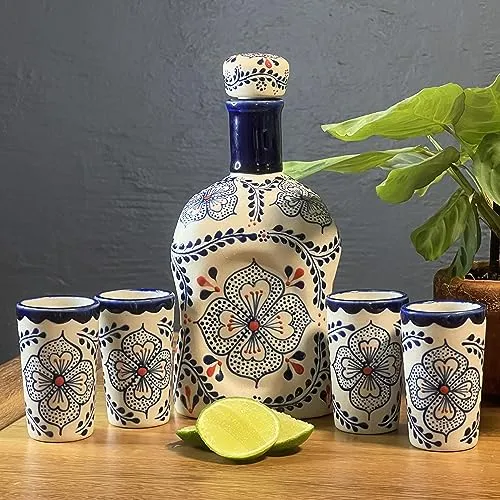
Photo: luxury tequila bottle hand painted ceramic decanter on shelf, via www.shopforyourpassions.com
Walk into a well-stocked liquor boutique in Manhattan, Miami, or Beverly Hills and you will find it near the back, under soft lighting: the unmistakable cobalt-and-white decanter of Clase Azul Reposado, priced somewhere between $400 and $500. For the uninitiated, the reaction is predictable. For the same money, one could fly coast to coast, book a nice dinner, and still have change left over.
So what, precisely, is a buyer paying for? The answer is more layered — and more defensible — than cynics might assume, though it also contains a genuine luxury premium that every prospective collector should understand before the receipt prints.
The Foundation: Agave and Time
Every bottle of Clase Azul begins with blue agave sourced from the highlands of Jalisco, where slower-growing plants develop the higher sugar concentrations prized for premium tequila. Farmers typically wait seven to nine years before harvest — nearly a decade of capital tied up in the ground before a single liter is distilled.
Agave prices have been notoriously volatile over the past two decades, and premium producers generally contract top-tier fruit, paying above commodity rates. Industry estimates suggest raw materials and production account for a meaningful fraction of the wholesale cost of a high-end tequila — far more than in, say, entry-level vodka, where the base spirit is a rounding error.
Then there is the reposado itself: a minimum of six months resting in American oak barrels. Time in the rickhouse is not free. Barrels, warehouse space, evaporation losses, and the simple opportunity cost of aging all accumulate before the liquid ever meets glass.
The Decanter: Artisan Labor at Scale
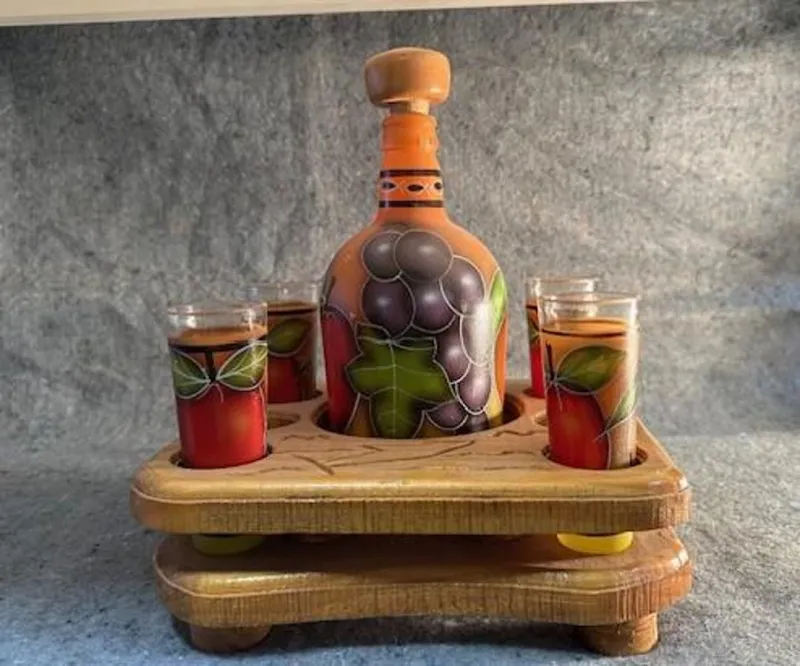
This is where Clase Azul separates itself from nearly every competitor in the category. Each ceramic decanter is shaped and painted by hand in Mexican artisan workshops, a process that takes considerable skilled labor per unit. The company employs hundreds of artisans in the town of Mazamitla and beyond, and the signature cobalt detail work cannot be mechanized without destroying the very thing that makes the bottle collectible.
Compare this to the spirits industry norm: most luxury vodka and whisky packaging, however ornate, is produced by machine at high volume. Clase Azul's model is closer to craft ceramics than to bottling-line economics. A portion of the shelf price is, in effect, a wage bill for artisans — a genuine cost, and one the brand has made central to its identity.
What the Retailer and the Regulators Take
Between the distillery and the American shelf sits a gauntlet of markups. Federal excise taxes, state liquor taxes, import duties, three-tier distribution, and retailer margin each take a slice. In states like California or New York, combined taxes and tier margins can add substantially to the landed cost. The bottle that wholesales for one figure routinely arrives on the shelf at nearly double.
The Luxury Premium — and Whether It's Worth It
Here is the honest accounting. Economists who study Veblen goods — products whose demand rises with price — note that for collectible spirits, a meaningful portion of the final price is not production cost at all. It is positioning. Scarcity signaling, celebrity visibility in nightlife culture, and the bottle's status as objets d'art all justify margins that liquid alone never could.
"Customers aren't just buying tequila," one Arizona bottle shop owner told us. "They're buying the moment they hand it over — the birthday, the closing of the deal. The decanter is the receipt for that moment."
Is that irrational? Not necessarily. A cross-country flight delivers you to Los Angeles; a Clase Azul decanter delivers a confluence of highland agave, patient oak aging, and hand-painted Mexican craftsmanship — plus a permanent object that remains on the shelf long after the last pour. Whether that trade is worth $450 is, ultimately, a question each buyer answers at the register.
A Buyer's Bottom Line
If you are evaluating your first Clase Azul purchase, allocate the price roughly as follows in your mind: a third for the liquid and its agave, a third for the artisan decanter and logistics, and a third for the brand's place in the market. Collectors who understand that third portion — and value it — rarely feel overcharged. Those who don't are better served by excellent tequilas at half the price, and there is no shame in that.
Prestige, like a flight, has a fare. The discerning buyer's job is simply to know what class of ticket they're purchasing.