After the Last Pour: The Quiet Second Life of an Empty Clase Azul Decanter
Photo: Changku88, CC BY-SA 4.0, via Wikimedia Commons
There is a particular silence in the moment the final pour leaves a Clase Azul decanter. For weeks or months, the vessel has been the centerpiece of a cabinet, a dinner table, a celebration. Then, suddenly, it is empty — and the question every owner eventually faces arrives with unexpected weight: now what?
It is not a trivial dilemma. Each decanter is a hand-painted object, finished by artisans in Jalisco, and no two are identical. Discarding one feels, to many owners, close to throwing away a piece of ceramics. Keeping every bottle, however, leads to what collectors half-jokingly call "the shelf problem."
Three Paths, One Vessel
In conversations with owners across the United States, three distinct approaches emerge again and again: repurpose, resell, or simply display.
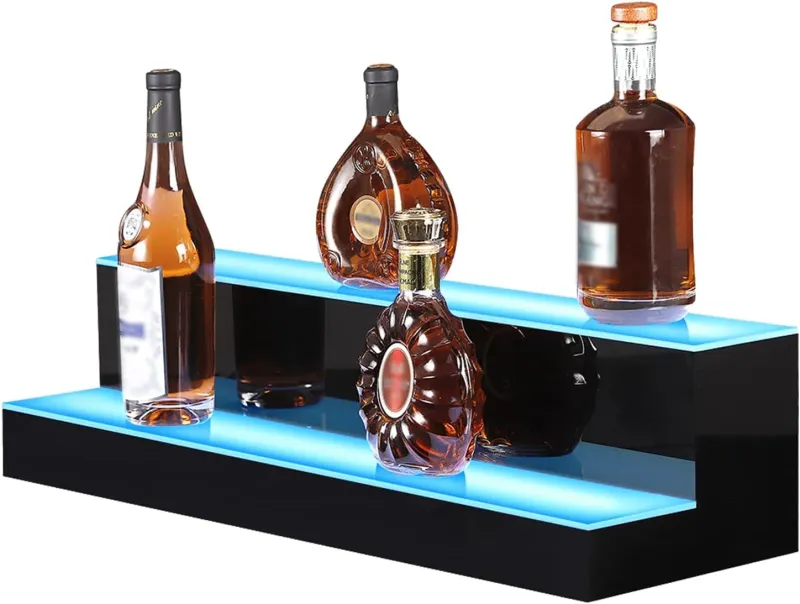
The display camp is the largest, and the most straightforward. "I don't do anything clever with them," admits a collector in Scottsdale who owns eleven decanters. "I clean them, I put them back on the lighted shelf, and they're art. That was always the point." Interior designers we consulted agree — the blue-and-white silhouette reads as sculptural ceramic even to guests who never learn what it once held.
Repurposing is where American creativity runs wild. On Etsy and Pinterest, a small cottage industry has formed around converting empty decanters into lamps, candle holders, and incense vessels. Crafters report that the heavy base and narrow neck make the bottles surprisingly stable lamp bodies, though wiring one requires drilling through fired ceramic — a task best left to professionals with diamond bits.
Reselling, the third path, has grown more sophisticated. Consignment shops in Los Angeles, Miami, and New York report steady demand for clean, intact empties, particularly limited-edition releases. "An empty decanter with its cork, cap, and original box can command real money," says one reseller. "Condition is everything. A chipped rim or a faded decal drops the value by half."
Cleaning Without Regret
Whichever path an owner chooses, the first step is the same: a careful, patient cleaning. Rushing this stage is where most damage occurs.
Begin by allowing any remaining spirit to evaporate or be decanted fully, then rinse the interior several times with warm — never hot — water. Thermal shock is the enemy of hand-painted finishes. A small amount of uncooked rice swirled gently inside with water helps loosen residue without abrasion. Avoid dishwashers entirely, and keep detergents away from the exterior, where they can dull the glaze and paint.
The cork stopper deserves its own attention. Rinse it briefly, pat it dry, and let it air out for a full day before returning it to the neck. Sealing a damp cork inside the bottle invites mold and odor that no amount of display lighting will hide.
Finally, dry the decanter upside down on a soft towel for at least forty-eight hours. Water spots inside a display piece are the most common — and most avoidable — flaw appraisers notice.
What the Market Says
For those considering resale, timing and documentation matter. Limited editions and discontinued expressions carry the strongest aftermarket interest, and provenance helps: a receipt or the original packaging can meaningfully influence what a consignment specialist will offer. Owners should be candid that the bottle is empty; misrepresenting a vessel as sealed crosses into fraud and has led to disputes in secondary-market groups.
The craft route, meanwhile, has produced some genuinely striking results. One Ohio-based lamp maker described converting a decanter into a reading light for a client's study: "The paint glows differently under warm bulbs. It becomes something new without erasing what it was."
A Vessel Worth the Effort
However an owner decides, the consensus among collectors is clear: the decanter has earned a considered ending. Whether it becomes a lamp in a Denver loft, a cataloged lot at a consignment house, or simply the quiet anchor of a display cabinet, the vessel's second life is part of the object's story — the craft continuing long after the tequila is gone.