Curating the Cabinet: Where Clase Azul Decanters Meet American Interior Design
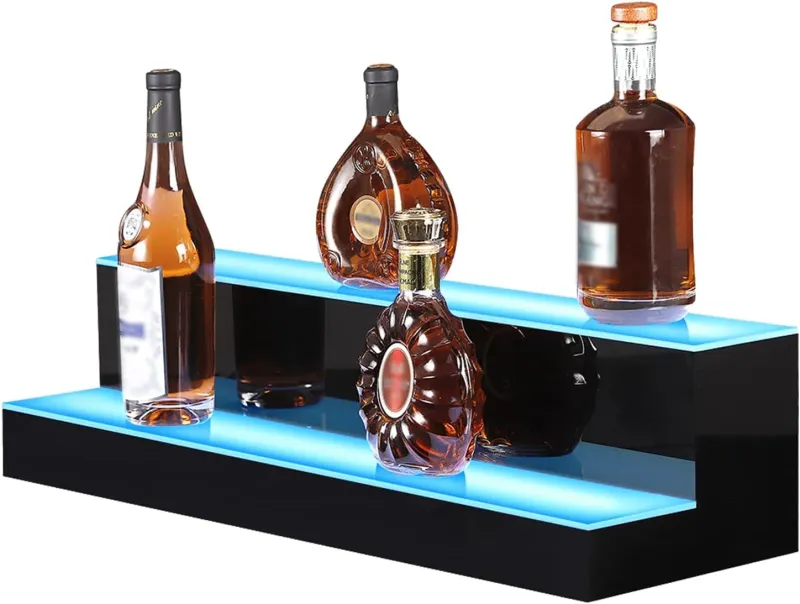
Photo: luxury home display cabinet illuminated tequila bottles blue ceramic decanters interior design, via m.media-amazon.com
In a hillside home outside Austin, a floor-to-ceiling vitrine glows softly at the end of a hallway. Inside, a dozen Clase Azul decanters stand in formation — Reposado, Gold, Mezcal, a single prized Ultra — each one bathed in warm, museum-grade light. The owner, a tech executive who asked to be identified only as M.R., calls it "the blue room." His guests call it the best-designed corner of the house.
He is not alone. Across the United States, a quiet design movement is taking shape among serious spirits collectors: the treatment of hand-painted Clase Azul decanters not as bar stock, but as fine art deserving of deliberate display.
The Bottle as Object, Not Beverage
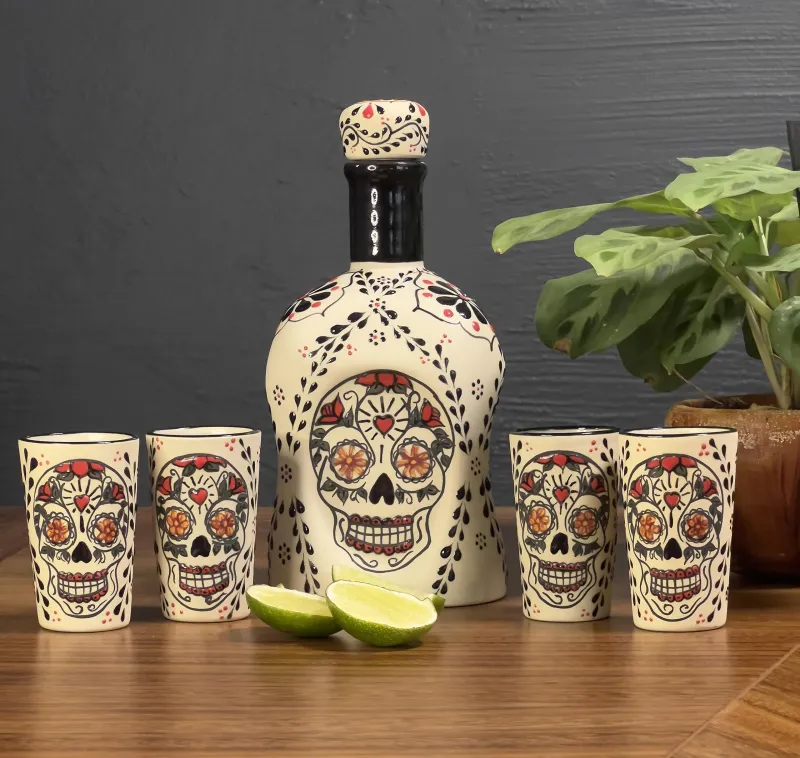
Every Clase Azul decanter is painted by hand in Mexico, meaning no two are identical. Collectors and designers alike point to this as the reason the bottles transcend their contents.
"When a client brings me a collection of these, I don't see bottles — I see ceramic sculpture with provenance," says Dana Whitfield, an interior designer in Scottsdale whose firm has built custom displays for three separate Clase Azul collections. "The cobalt and white palette is extraordinarily forgiving. It reads equally well against warm walnut, honed marble, or matte black steel."
That versatility has made the decanters a fixture in the broader luxury design conversation, appearing on open shelving in Dallas high-rises and behind glass in Manhattan duplexes. The question is no longer whether to display a collection, but how.
Lighting: The Single Most Important Decision
Ask anyone who has built a display, and the conversation turns quickly to illumination. The wrong light can flatten the hand-painted detail; the right one reveals brushwork the eye would otherwise miss.
The consensus among designers:
- Warm color temperature, 2700K to 3000K, to complement the cream and cobalt glazes rather than wash them out.
- Low-heat LED strips or puck lights, since ceramics and residual spirits tolerate heat poorly.
- Directional accent lighting at roughly a 30-degree angle, mimicking gallery practice and casting gentle shadows that give each decanter dimension.
- Dimmers, always. Collectors describe their displays as evening rooms, not daytime ones; the glow should build as the sun goes down.
"We treated the cabinet like a jewelry case," says Whitfield of a recent Beverly Hills installation. "Perimeter LED tape hidden behind a light baffle, so the source never stares back at you."
From Cabinet to Full Room
At the upper end of the market, the display cabinet is giving way to something more ambitious: dedicated tasting rooms and tequila lounges built around the collection itself.
Architects report growing requests for what some are calling "agave rooms" — spaces combining climate-controlled shelving, a tasting counter, and seating for eight to ten guests. In one New Canaan, Connecticut project, a former wine cellar was converted into a blue-and-white sanctuary with custom niches sized precisely to the decanter's silhouette, so each bottle sits as if it were made for its slot. In a sense, it was.
Security becomes a consideration at this tier. High-value bottles — and certain Clase Azul releases command four figures on the secondary market — are increasingly housed in locked vitrines with laminated glass, and a few collectors have integrated discreet sensors. Others simply keep the room behind a door that guests are told, politely, is not part of the tour.
Practical Wisdom from Working Collectors
For those building their first display, experienced collectors offer a few recurring pieces of advice:
Leave room to grow. Collections have a way of expanding. Design shelving with 20 percent empty space from day one.
Mind the sun. Direct daylight fades hand-painted pigment over years. Interior walls and UV-filtered glass are your friends.
Display the stopper side forward. The hand-painted detail at the shoulder and the metal ornament atop the cap are the signature elements — orient each decanter so a guest's eye lands there first.
Group with intention. Some collectors arrange by line and vintage; others by visual weight. Either works, but randomness reads as clutter.
A Collection Worth Framing
There is a certain logic to all of this. The decanters were painted by hand, one at a time, by artisans whose work deserves more than a dark shelf above the whiskey. American collectors have simply recognized what the studios in Mexico have always known: the vessel is part of the luxury.
As M.R. puts it, standing before his glowing cabinet at dusk: "I could have bought prints. I bought these instead."