When the Decanters Outlive You: A Collector's Guide to Passing Clase Azul to the Next Generation

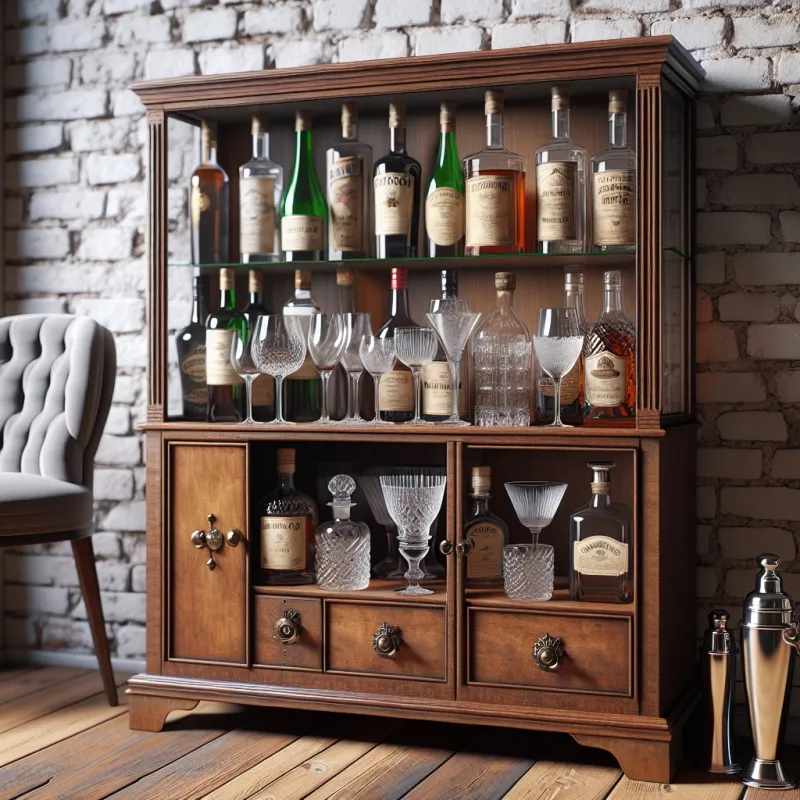
Photo: elegant home bar cabinet with collectible tequila decanters and documents, via images.stockcake.com
Most collectors prefer not to think about the end of the collection. The cabinet is curated, the labels are logged, the rarest decanters sit under soft light — everything suggests permanence. Yet a bottle that appreciates in value is, in the eyes of the law and the IRS, an asset like any other. And assets without instructions tend to become burdens.
Estate attorneys who work with high-value personal property report a familiar scenario: a collector passes away, the family opens a cabinet filled with ceramic decanters in glimmering blue and white, and nobody knows what any of it is worth, which bottles matter, or whether the collection can even be legally sold. The decanters that took years to assemble become a puzzle left to grieving relatives.
First, Acknowledge That This Is Property
The instinct is to treat a spirits collection as a sentimental object — something a nephew might inherit along with the fishing rods. In practice, a serious Clase Azul portfolio, particularly one containing limited releases and Ultra-level decanters, can represent five figures of liquid value. Estate planning professionals classify such holdings as tangible personal property, which means they pass through probate, figure into estate valuation, and may trigger tax consequences depending on the size of the overall estate.
For most American households, federal estate tax will not apply — the exemption is substantial. But state-level estate taxes in places like New York, Oregon, and Massachusetts kick in at lower thresholds, and an undocumented collection inflates the gross estate just like any other unlisted asset. The first step is simply acknowledging the collection on paper.
The Appraisal Question
Heirs who inherit a bottle of wine or whiskey at least have a robust secondary market to consult. Collectible tequila is a younger market, and valuations can swing dramatically between retail, auction, and private sale. A decanter purchased at a duty-free shop a decade ago may be worth several times its original price — or, for certain open-market releases, barely more.
Estate appraisers recommend a formal valuation for any collection with meaningful worth, ideally performed by someone familiar with spirits and collectibles rather than a generalist. The date of death value matters: it establishes the cost basis for heirs under the standard step-up in basis rules, which can spare them significant capital gains taxes if they later sell. Collectors who skip this step leave their families guessing at numbers the IRS may eventually ask about.
Document Everything, Then Document It Again
The collectors who have navigated this successfully share one habit: meticulous records. A simple spreadsheet or dedicated catalog should include, for each decanter:
- The release name, edition, and year of purchase
- Purchase price and source
- Current condition, including fill level and any damage to the painted vessel
- Photographs of the bottle, the seal, and any original packaging or certificates
Provenance is the other half of the equation. A rare decanter with a receipt, original box, and photographs spanning years of ownership commands trust — and a premium. The same bottle without documentation invites suspicion of counterfeiting, a real concern in the current American market for premium tequila.
Does Collectible Tequila Belong in a Will?
Yes — but a will alone is often the bluntest instrument available. Attorneys frequently suggest a letter of instruction alongside the will, specifying which heirs receive which pieces and whether the collection should be sold and divided. Some collectors go further, naming a specific beneficiary for the cabinet in a personal property memorandum, which many states allow to be updated without rewriting the will.
A quieter option is a lifetime transfer. Gifting a decanter to an adult child now, while you can explain its story and significance, sidesteps probate entirely and turns the handoff into a moment rather than a legal formality. Others establish a modest trust for particularly valuable pieces, ensuring a responsible steward rather than a contested shelf.
There are practical wrinkles, too. Shipping spirits between states carries regulatory complexity, and an heir across the country may find that legally transporting a case of collectible tequila is harder than inheriting it. Some families resolve this by designating one heir in the collection's home state as custodian.
The Conversation Worth Having
Perhaps the most valuable step costs nothing: telling your heirs what they stand to inherit. Collectors who have been on both sides of this describe the difference between a family that opens a mysterious cabinet and one that opens a curated one, guided by a letter that explains which decanter came from which trip, which release was the grail, and which bottle Grandfather always intended for a fiftieth birthday.
A hand-painted Clase Azul decanter is built to last generations. With a little planning, the collection — and the story behind it — can outlast the collector in the best possible way.