Cashing Out the Cabinet: A Legal Survival Guide for Selling Your Clase Azul Collection in America
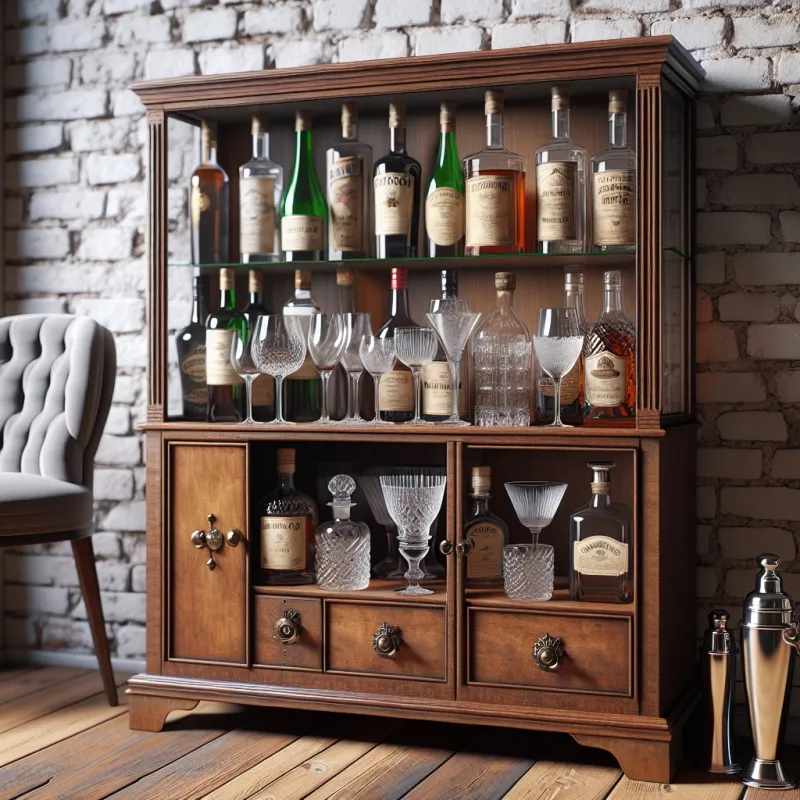
Photo: luxury tequila decanter collection cabinet home, via industrystandarddesign.com
There comes a moment in nearly every serious collector's life when the cabinet must shrink. Perhaps a move to a smaller home, a shift in priorities, or simply the realization that forty sealed decanters of Clase Azul represent more capital than display. Whatever the reason, the decision to sell raises a question far more complicated than the decision to buy: how does an ordinary American legally transfer bottles worth thousands of dollars to a stranger?
The answer, it turns out, is layered like the paint on the decanters themselves.
Why This Is Harder Than Selling a Watch
A Rolex changes hands with a bill of sale and a handshake. A bottle of tequila does not. Alcohol is among the most heavily regulated consumer goods in the United States, governed by a patchwork of federal law, state alcohol beverage control statutes, and — in the case of shipping — the policies of private carriers that change without notice.
"The core issue is that most states require a license to sell alcohol at retail," explains one beverage attorney we consulted, who asked not to be named given ongoing enforcement matters in her state. "A private individual selling a few bottles from a personal collection is generally operating in a gray zone. Selling regularly, advertising publicly, or shipping across state lines moves you out of the gray zone and into enforcement territory very quickly."
The practical consequence: the casual seller has more latitude than the repeat seller. One transaction to a local buyer is a world apart from operating what regulators could reasonably view as an unlicensed retail operation.
Know Your State Before You Post
Alcohol regulation is fundamentally state-driven, and the differences are stark. In control states — places like Pennsylvania, Virginia, and Utah where the government itself retails spirits — private sales of hard liquor range from tightly restricted to effectively prohibited. In license states such as Texas, California, and Florida, the framework is more permissive, but local rules still apply, and some municipalities add their own ordinances on top.
Before listing anything, collectors should do three things:
- Check whether private sales of spirits are permitted at all in their state, and whether a limit exists on transaction volume.
- Understand face-to-face requirements. Many states that allow private sales require an in-person exchange, which conveniently eliminates the shipping problem.
- Document provenance. Receipts, original packaging, and photographs establish that you are the rightful owner — increasingly important as counterfeits flood the aftermarket.
The Shipping Trap
Here is where well-intentioned sellers most often stumble. Under federal law, it is illegal for anyone other than a licensed entity to ship distilled spirits directly to consumers. Carriers reinforce this: UPS and FedEx permit alcohol shipments only under contract with licensed shippers, and USPS prohibits alcohol outright. The common workaround — packaging a decanter as "collectible glassware" — is not a loophole. It is misrepresentation, and both carriers and regulators treat it that way.
"The phrase I use with clients is that the box doesn't launder the contents," the attorney told us. "If the shipment contains spirits and you're not licensed, the label on the outside is irrelevant."
Licensed auction houses and brokerages exist precisely because of this barrier. They hold the permits, the carrier contracts, and the insurance to move bottles legally between states.
The Auction Route
For high-value decanters — limited editions, discontinued releases, pieces in pristine condition — a licensed auction house is frequently the cleanest path. These firms handle compliance, authentication, payment escrow, and shipping under their own licenses, typically in exchange for a seller's commission in the range of ten to twenty-five percent.
Veteran collectors we spoke with describe the trade-off plainly: you surrender a portion of the hammer price in exchange for legitimacy, reach, and protection. For a single standard decanter, that commission may not pencil out. For a portfolio crossing five figures, most agree it does.
Payment Scams Are the Modern Bootlegger
Even a fully legal, in-person sale carries fraud risk. The patterns are consistent: overpayment with a check that later bounces, requests to complete transactions through peer-to-peer apps under false pretenses, and buyers who insist on shipping arrangements that shift liability to the seller.
Experienced sellers follow a simple discipline: cash or verified funds for in-person transactions, no overpayments, no third-party pickup services, and meetings in bank lobbies where large bills can be verified on the spot.
Don't Forget the Tax Man
Proceeds from selling collectibles are generally taxable. If a decanter appreciated since purchase, the gain is reportable, and collectibles are taxed at the federal long-term capital gains rate of up to twenty-eight percent — higher than most investments. Sellers with substantial holdings should consult a CPA before, not after, the sale. Keep purchase records; without them, the IRS may presume the entire proceeds amount is gain.
The Bottom Line
Selling a Clase Azul collection legally in the United States is neither impossible nor simple. The safest playbook looks like this: sell locally and in person where state law permits, keep transactions occasional rather than commercial, use a licensed auction house for anything valuable or out-of-state, document everything, and pay the taxes on your gains.
The decanters were built to last generations. With a little legal care, the proceeds from them can, too.